What Happens if Medical Bills Exceed Policy Limits
Once bills exceed the policy limit, the injured person can pursue whoever was at fault for the rest, which may include you.
Free to compare
A grandchild borrows the car for the summer and causes a crash
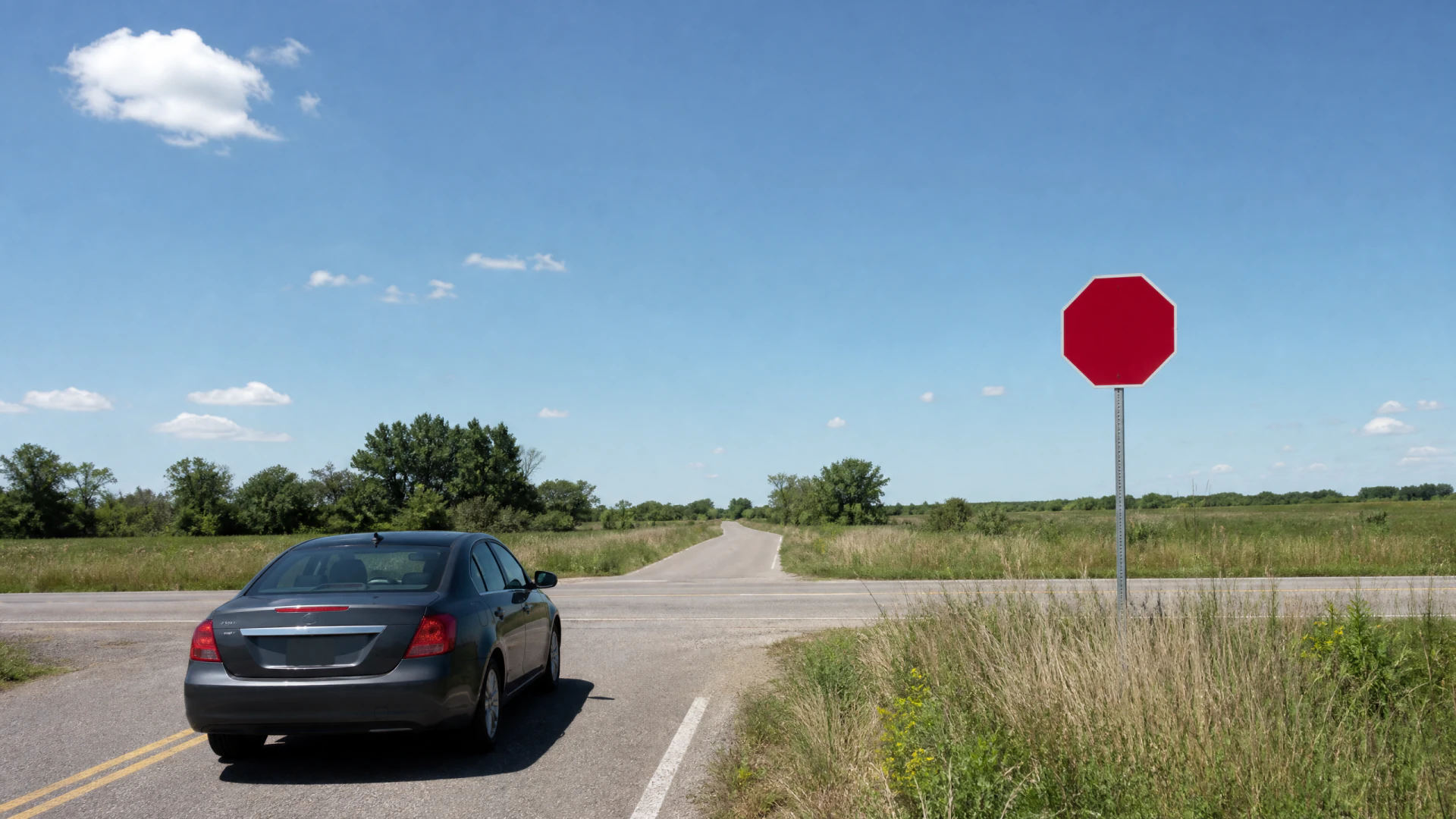
A grandparent let their grandchild drive their older sedan for the summer while visiting. The grandchild was involved in a crash that injured another driver, and the medical bills from that injury ended up higher than the liability limit on the grandparent's policy. The insurer paid out the full limit, but that didn't cover everything the injured driver was owed.
Because the car was registered and insured in the grandparent's name, the policy was the first and primary source of coverage, regardless of who was driving. The injured driver's lawyer then looked at whether anyone involved had other assets or additional coverage to pursue for the remaining bills. The grandparent had an umbrella policy they'd bought years earlier for unrelated reasons, and it covered the gap. Without it, the grandparent's own savings and property could have been at risk, since the policy was theirs and the car was theirs, even though they weren't the one driving.
Can the injured person come after my personal savings or house?
Yes, if the unpaid medical bills are tied to an at-fault crash and your liability coverage doesn't fully cover them. Once the policy limit is paid out, the injured person can pursue a legal claim against whoever is responsible for the rest, and that can include the vehicle's owner, not just the driver.
Whether that claim actually reaches your savings or home depends on the laws where you live and what assets a court can require you to use to pay a judgment. Some assets have protections, others don't. This is exactly the gap an umbrella policy is built to close, since it sits above your car insurance and responds once the underlying limit runs out.

Whether you raise your liability limit before you hand over the keys
If you do
You raise your bodily injury liability limit before your grandchild starts driving your car. If a serious crash happens, more of the injured person's medical bills get paid directly by your insurer, leaving less of a gap that could expose your own savings or property afterward.
If you don't
You leave your liability limit as is. If your grandchild causes a crash with injuries that cost more than your limit, your insurer still only pays up to that limit, and the injured person can pursue the remaining bills from you or your grandchild directly.
Now that you know what a gap in coverage could cost you, compare quotes to see what it takes to close it.

Does my grandchild need their own insurance policy to drive my car legally?
Usually not, if they drive your car with your permission and don't live with you full time, since most policies extend coverage to permissive drivers. But if your grandchild lives with you, insurers typically expect you to list them on your policy as a household member, not just a permissive driver. Check your insurer's definition of household resident, because it varies, and a summer visit is usually treated differently than a permanent move-in. Getting this wrong can mean a claim gets denied entirely, which is worse than a gap in limits.
Will my rates go up if my grandchild causes an accident while driving my car?
Likely yes, because the claim is paid out under your policy regardless of who was driving, and insurers price renewals based on the claims history tied to that policy. How much your rate rises depends on the size of the claim and your insurer's own rules, which vary. Ask your insurer directly how a claim involving a young permissive driver affects renewal pricing, since some have different rules for listed young drivers versus occasional guest drivers.
What does my grandchild's parents' insurance cover if the crash happens in my car?
Usually very little, because liability coverage follows the car, not the driver's family. Your grandchild's parents' policy, if they have one, mainly covers vehicles they own or that are regularly available to the grandchild, not your car during an occasional visit. If your grandchild has their own policy from a previous car, check whether it includes any coverage for driving a vehicle they don't own, since some policies do and most have strict conditions.
The car's coverage, not the driver's age or relation to you, decides what's at risk.