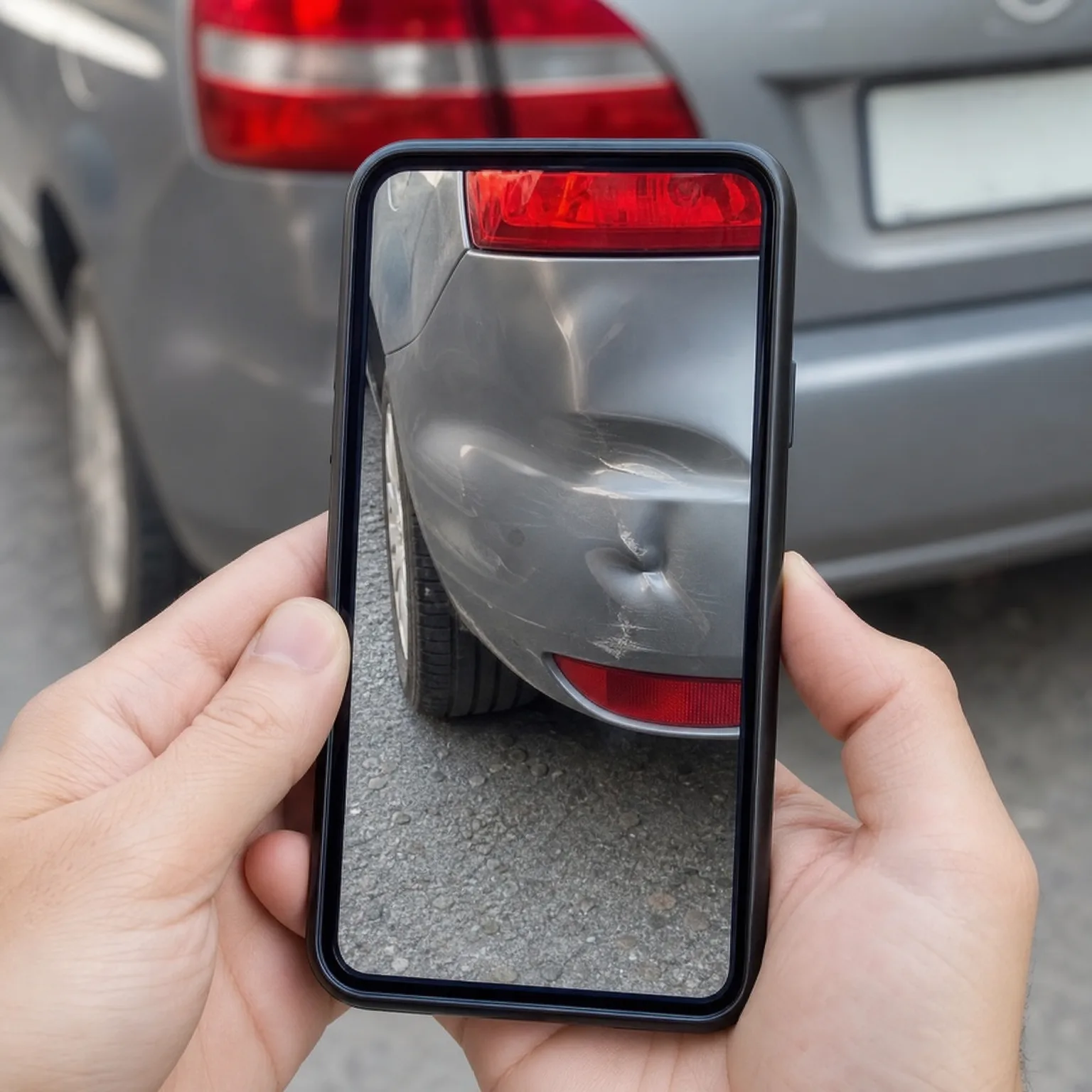
What Happens if I Let an Uninsured Driver Drive My Car
If your grandchild crashes your car, your insurance pays first, because coverage follows the car, not the driver.
Free to compare
Your policy is tied to the car, so it responds first
Car insurance almost always follows the vehicle rather than the person behind the wheel. If your grandchild is driving with your permission, your policy is the one that answers a claim, even though they don't have insurance of their own. This surprises a lot of grandparents, because it feels like the grandchild should somehow be on their own hook, but that isn't how claims get paid.
What changes is how your insurer treats your grandchild once they're driving regularly. An occasional guest driver, someone visiting for a week or borrowing the car once, is usually fine without any changes. A grandchild who lives with you, or who drives your car often enough that it becomes a pattern, is a different story. Insurers expect you to tell them about regular drivers in the household, and if you don't, they can question the claim later.
This is where living arrangements matter more than most people expect. A grandchild who's staying for the summer is often treated differently than one who's moved in for school or because of a family situation. The line isn't about love or responsibility, it's about how often they're behind the wheel and whether your insurer considers them a resident of your household.
The parents' policy can sometimes help too, but only if the grandchild is still listed there and the parents' insurer knows the car isn't the one usually driven. That coverage doesn't disappear just because the grandchild is at your house, but it also won't rescue you if your own policy excluded them. None of this is universal across companies or states, so the honest move is always to ask your insurer directly what counts as a resident and what counts as a guest.
A grandchild staying for the summer borrows the car
Say your granddaughter comes to stay with you for the summer before college and asks to borrow your car to get to a part-time job. She doesn't have her own policy yet. You let her drive a few times a week. One afternoon she backs into a parked car in a lot. Because she was driving with your permission, your insurance is the one that handles the claim, not hers, since she doesn't have one.
What matters most here is that you told your insurer she was driving regularly before anything happened. Because you mentioned it when she arrived, there was no dispute about whether she should have been covered. The claim was paid, your insurer treated it like any other claim involving a permitted driver, and the only lasting effect was on your record and your future rates, not a denied claim or a fight over who was responsible.
The real risk isn't coverage, it's staying quiet about who's driving before something happens.
Now that you know your policy likely covers your grandchild, compare quotes to see how adding them affects your rate.
Will my rates go up if my grandchild drives my car?
They might, especially if your grandchild drives often enough that your insurer considers them a regular driver of the car. Occasional use, like borrowing the car once or twice, usually doesn't change your rate at all. It's frequent or routine driving that gets an insurer's attention.
What raises rates isn't the grandchild's existence on your policy, it's the added risk a young or inexperienced driver represents. If they're driving often, most insurers want them listed, and that listing is what affects your premium, not the mere fact that they're related to you. Ask your insurer directly how they define regular use, since that threshold isn't the same everywhere.

Telling your insurer your grandchild is driving regularly
If you do
You stay ahead of any dispute. If something happens, your insurer already knows the arrangement, and the claim moves forward without anyone questioning whether your grandchild should have been covered. Your rate may adjust, but you know that going in instead of finding out during a claim.
If you don't
If your grandchild is driving often and something happens, your insurer can ask why they weren't disclosed. They may still pay the claim, but they could also raise questions, delay the process, or reassess your policy afterward in ways that cost you more than if you'd just told them upfront.
Does my grandchild need their own car insurance if they drive my car sometimes?
Not necessarily, if they're only driving occasionally and you've let your insurer know about the arrangement. Occasional use is usually covered under your policy as a permitted driver. But if they're driving often, living with you, or using the car as their main vehicle, insurers typically expect them to be listed on your policy or to have their own. Check with your insurer about where that line falls, since the definition of occasional versus regular varies by company.
What if my grandchild is driving my car without my knowledge or permission?
That changes everything, because permission is what makes your policy respond in the first place. If your grandchild took the car without asking, insurers in many states treat that similarly to theft, and your coverage may not apply the way it would for a permitted driver. This is a case where the details matter a lot, so if this ever happens, tell your insurer exactly what occurred rather than assuming the usual rules apply.
Can I add my grandchild to my policy temporarily, like just for the summer?
Often yes, and many insurers are used to handling short-term arrangements like a grandchild staying for a season. The specifics depend on your insurer, since some prefer to add and remove drivers as needed, while others want you to keep them listed for a minimum period. Ask directly what your options are so you're not guessing whether you're covered during the exact weeks they're actually driving.