What Does Young Driver Mean for Car Insurance
A young driver is typically anyone under their mid-twenties, and adding one usually raises your rate rather than voiding your coverage.
Free to compare
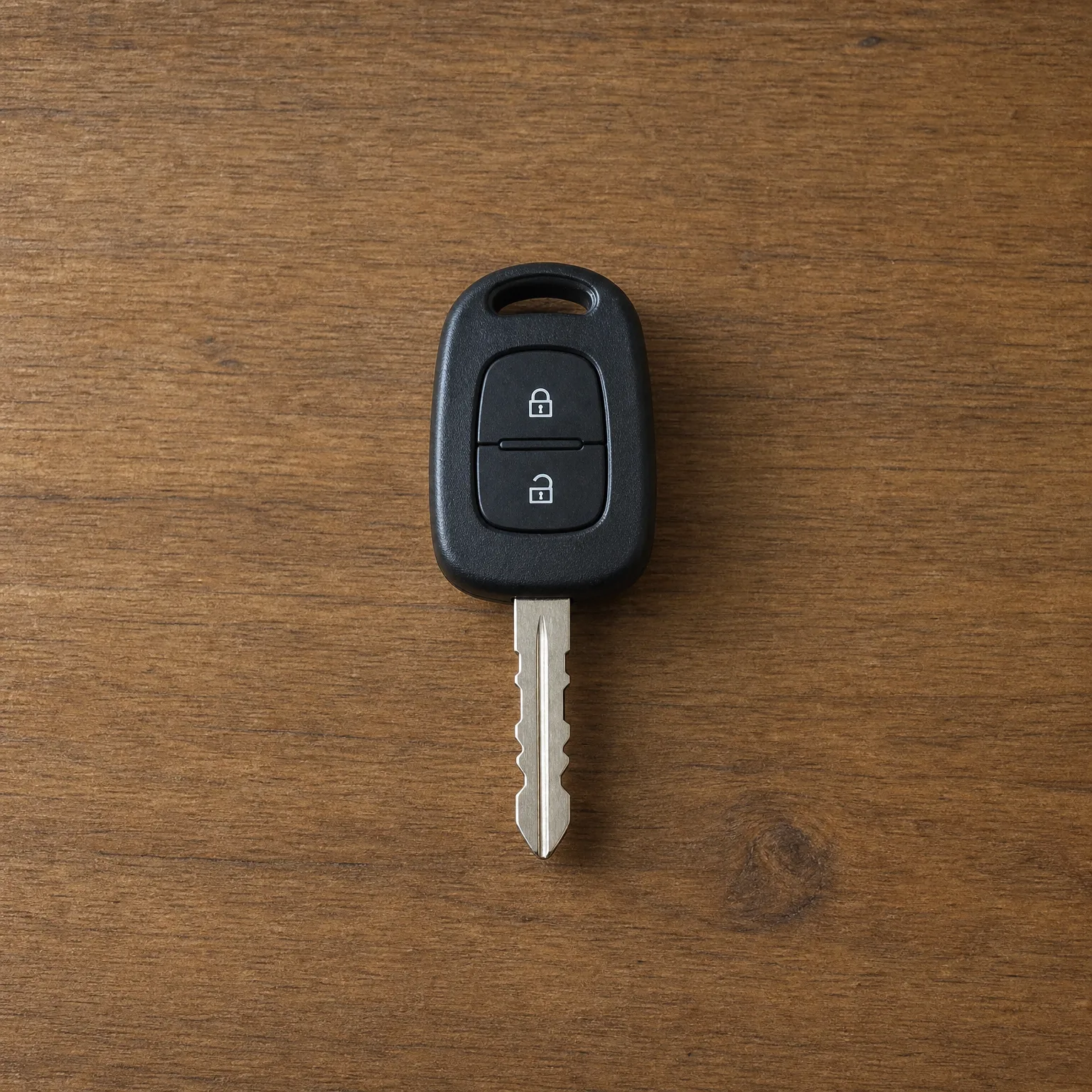
A grandson visiting for the summer wants to borrow the car
A grandmother in her seventies had her grandson staying with her for three months while he worked a summer job. He was nineteen, licensed for about a year, and asked to use her car to get to work since there was no other transportation nearby. She called her insurer before saying yes, because she wasn't sure if a summer stay counted as him living with her or just visiting.
The insurer asked how long he'd be there and how often he'd drive. Because it was temporary and he had his own license already on record elsewhere, they added him as an occasional driver on her policy for the summer months. Her premium went up for that period, but she knew the amount before he ever took the keys, and she was able to decide it was worth it. When he left in the fall, she called again to remove him and her rate went back down.
Will my grandchild even be covered if they drive my car without me adding them?
It depends on the insurer and the circumstances, so this is not something to assume your way through. Many policies extend coverage to someone who drives your car occasionally with your permission, even if that person isn't listed. This is sometimes called permissive use.
But permissive use has limits. If your grandchild drives regularly, lives with you, or uses the car often enough that it stops looking occasional, the insurer may say they should have been listed and may reduce or deny a claim. The safest move is to call your insurer, describe the actual arrangement, and ask directly whether your grandchild is covered under your current policy or needs to be added.

Deciding whether to add your grandchild to your policy
If you do
Your grandchild is clearly covered while driving your car, and a claim won't be denied over who was behind the wheel. Your premium will likely rise, sometimes by a lot, since young drivers cost more to insure. You'll know the cost upfront and can decide if it's worth it before anything happens.
If you don't
You avoid the rate increase for now, but you're relying on permissive use rules that vary by insurer and situation. If your grandchild drives often or lives with you, an insurer may argue they needed to be listed, which could reduce payment or deny a claim entirely after an accident.
Once you know whether your grandchild needs to be added, compare quotes to find which insurer handles that cost best.

Does my grandchild need their own insurance or can they just be on mine?
It depends on where they live and whose car they drive. If they live with you and drive your car, adding them to your policy is usually the simplest path. If they have their own car, they likely need their own policy, though insurers sometimes allow a young driver to be listed on a grandparent's or parent's policy even with a separate vehicle, depending on the insurer's rules. Ask your insurer directly how they handle a grandchild who isn't your legal dependent, since this varies more than with a child or stepchild living in your home.
Will adding my grandchild affect my ability to get insurance later or renew my policy?
Adding a young driver doesn't usually affect your ability to renew, but it does affect your rate while they're listed. Insurers price the policy based on everyone who regularly drives the car, so your premium reflects that risk as long as your grandchild is on it. If you remove them later, your rate should adjust back down. Some insurers may ask more questions at renewal time about who's driving the car, so be ready to explain the arrangement clearly if it changes year to year.
What happens to my rates if my grandchild gets into an accident while driving my car?
If your grandchild is listed on your policy or covered under permissive use, the claim typically goes through your insurance first, since it's your car. This means the accident can affect your record and your future rates, even though you weren't driving. How much it affects you depends on your insurer's accident forgiveness rules and whether this was your grandchild's first incident. Ask your insurer in advance how an accident involving a listed young driver would be treated on your policy specifically.

The real question isn't whether your grandchild can drive, it's whether your insurer knows how often they do.