What Are the Four Main Elements of Negligence
Negligence has four parts, duty, breach, causation, and damages, and a claim needs all four to succeed.
Each element closes off a different way to escape responsibility
The law splits negligence into four parts because each one answers a different question, and skipping any of them would let real carelessness go unpunished or let honest mistakes get treated as crimes. Duty asks whether the other driver owed you anything in the first place, which on the road they almost always did, since every driver owes every other driver reasonable care. Breach asks whether they failed that duty, meaning they did something a careful driver wouldn't have done, like running a light or following too close.
Causation is where many claims actually get decided, because it's not enough that someone was careless. Their carelessness has to be what actually caused your harm. If you were already stopped and got hit from behind, causation is simple. If you swerved to avoid someone and hit a pole, the other driver's lawyer will argue your own choice was the real cause, and this is where evidence and timing start to matter.
Damages is the part people assume is obvious but isn't. You have to show actual harm, medical bills, lost income, car repairs, something a number can attach to. Without damages, even clear carelessness isn't a claim worth pursuing, because there's nothing to compensate.
What changes by state is how courts weigh shared fault, meaning what happens if you were partly careless too. Some reduce what you recover, others can block it entirely past a certain point. Check how your state handles shared fault before you assume a claim is simple.
What happens if I was partly at fault too?
You can often still recover something, but how much depends entirely on your state's rule for shared fault, and this is the detail that changes outcomes more than any other part of a claim. Some states reduce your payout by your share of fault. Others cut you off completely once you're found more at fault than the other driver.
This is why insurers investigate causation so closely after a crash, because establishing even partial fault on your side can lower what you're owed. If you're unsure how your state treats this, it's worth checking before you accept any settlement number, since the percentage assigned to you directly decides your result.

Whether you document all four elements right after a crash
If you do
You take photos, get the other driver's information, and get a police report that notes how the crash happened. This gives you something concrete for duty, breach, and causation later, which matters once an adjuster starts asking what actually caused your damages.
If you don't
You rely on memory and whatever the other driver claims. Weeks later, causation becomes a dispute instead of a fact, and the insurer has room to argue your damages came from something else. Claims without early documentation take longer and settle for less.
Understanding these four elements puts you in a stronger position, so compare quotes with that clarity in hand.

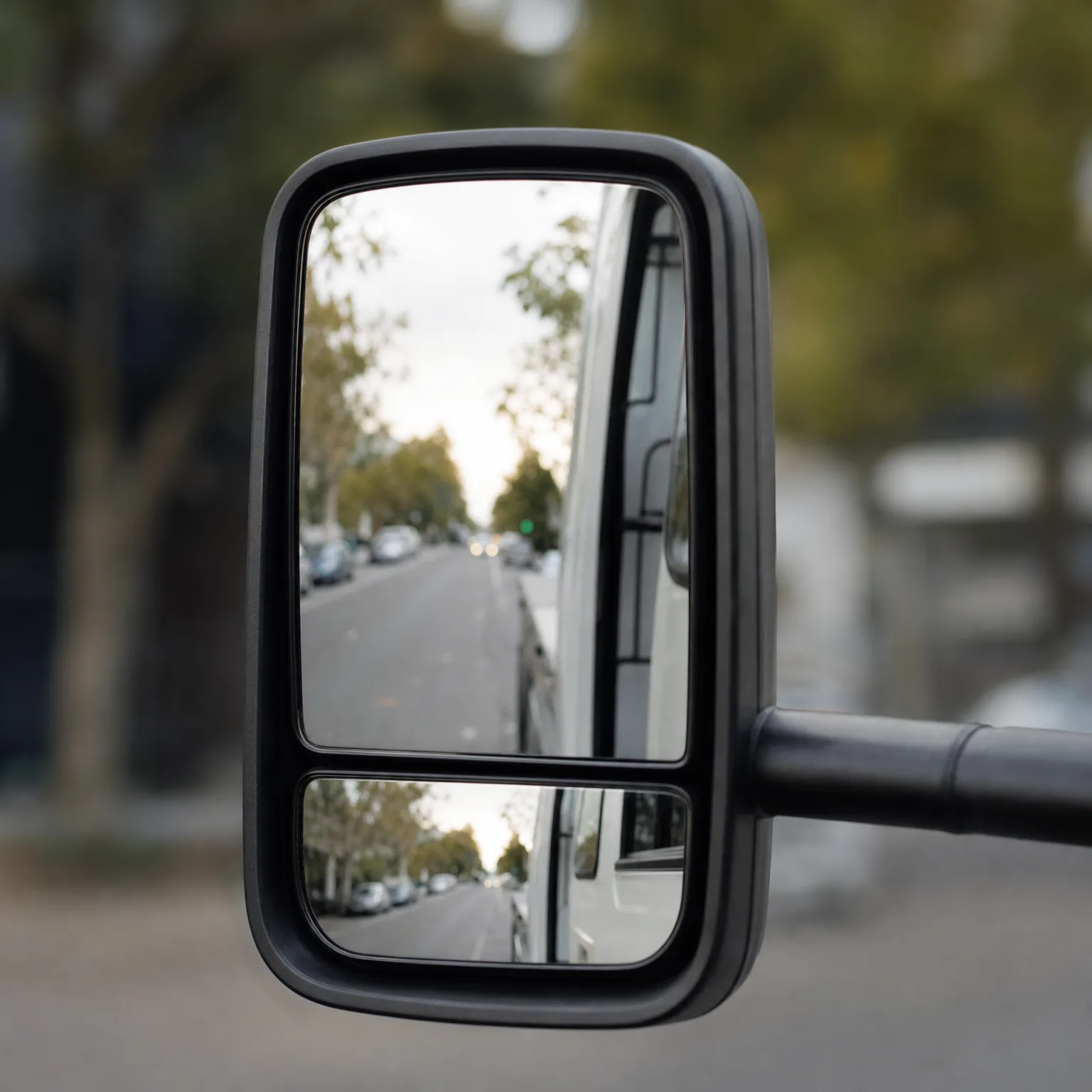
A rear-end crash that looked simple until causation came up
You're stopped at a light and get hit from behind. Duty and breach seem obvious, the other driver owed you care and failed by not stopping in time. But when you mention a sore shoulder a week later, the insurer questions whether the crash actually caused it, since you didn't report pain at the scene.
You get a doctor's note tying the injury to the crash date and provide the police report showing the impact. That closes the gap in causation, and once damages are documented through medical bills, the claim moves forward. The lesson here isn't about blame, it's about how quickly causation can become the contested part even in a crash that looked straightforward at first.

Fault isn't the hard part to prove. Causation and documented damages are what actually decide your claim.