Should You Let Someone Borrow Your Car
Yes, you can let your grandchild borrow your car, but your policy pays first if something goes wrong.
Free to compare
Your car, your policy, your risk, no matter who's driving
Insurance follows the car, not the driver, in almost every state. If your grandchild is behind the wheel of your car and causes a crash, your policy is the one that responds first. That's true whether they live with you, visit for a summer, or borrowed the car for one afternoon. Their parents' policy on their own car doesn't transfer over just because they're related to you.
Insurers care about who regularly drives your car, not just who owns it. If a grandchild drives often, most companies expect you to list them on your policy, because regular use changes the risk they're pricing. An occasional, permitted borrow is usually treated differently than a grandchild who's effectively a daily driver. Where that line falls, and what counts as "regular," is set by each insurer, so ask yours directly rather than guessing.
Living arrangements matter more than people expect. A grandchild who moves in with you, even temporarily, often has to be added to your policy because insurers treat household members as likely drivers of household cars. A grandchild who visits and borrows the car occasionally may be covered under a permissive use clause without being added at all. The difference between "lives with you" and "visits you" can change your premium and your obligations, so it's worth confirming rather than assuming.
Where this gets complicated is when the grandchild has their own policy, maybe through their parents, that could also apply. Some states use the car's policy as primary and the driver's policy as secondary backup if damages exceed what the first policy covers. Other states handle this differently. That's exactly the kind of detail to check with your insurer and your grandchild's insurer before anything happens, not after.
A grandchild visiting for the summer and needing a car for a job
Say your grandchild comes to stay with you for three months over the summer and gets a job that requires a car. You let them drive your older sedan to and from work most days. Before handing over the keys, you call your insurer and explain the situation, including how often they'll drive and for how long. The insurer tells you that because it's temporary and under a certain duration, your grandchild can be covered as an occasional driver without a full policy change, but you should confirm in writing what's covered and get the arrangement noted on your account.
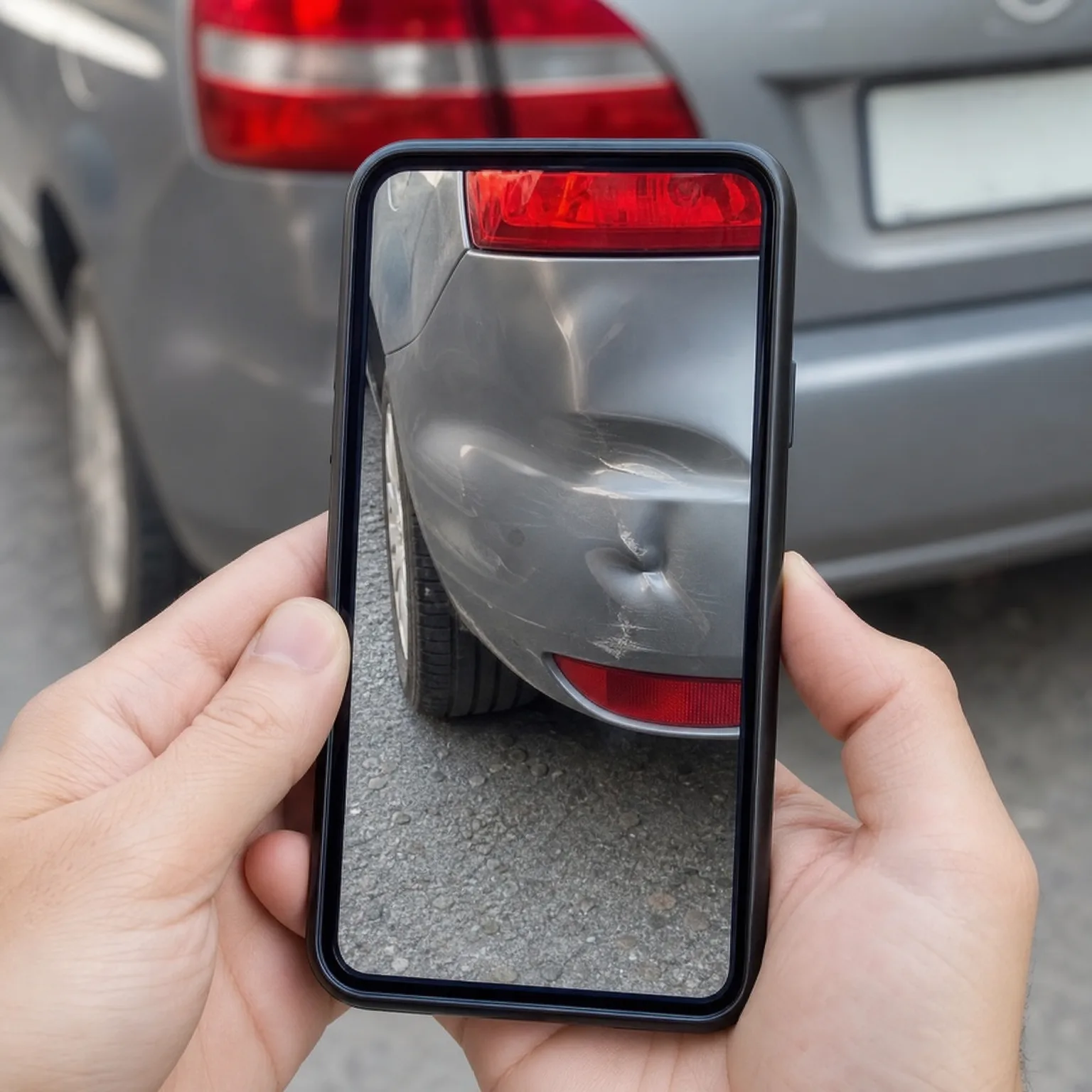
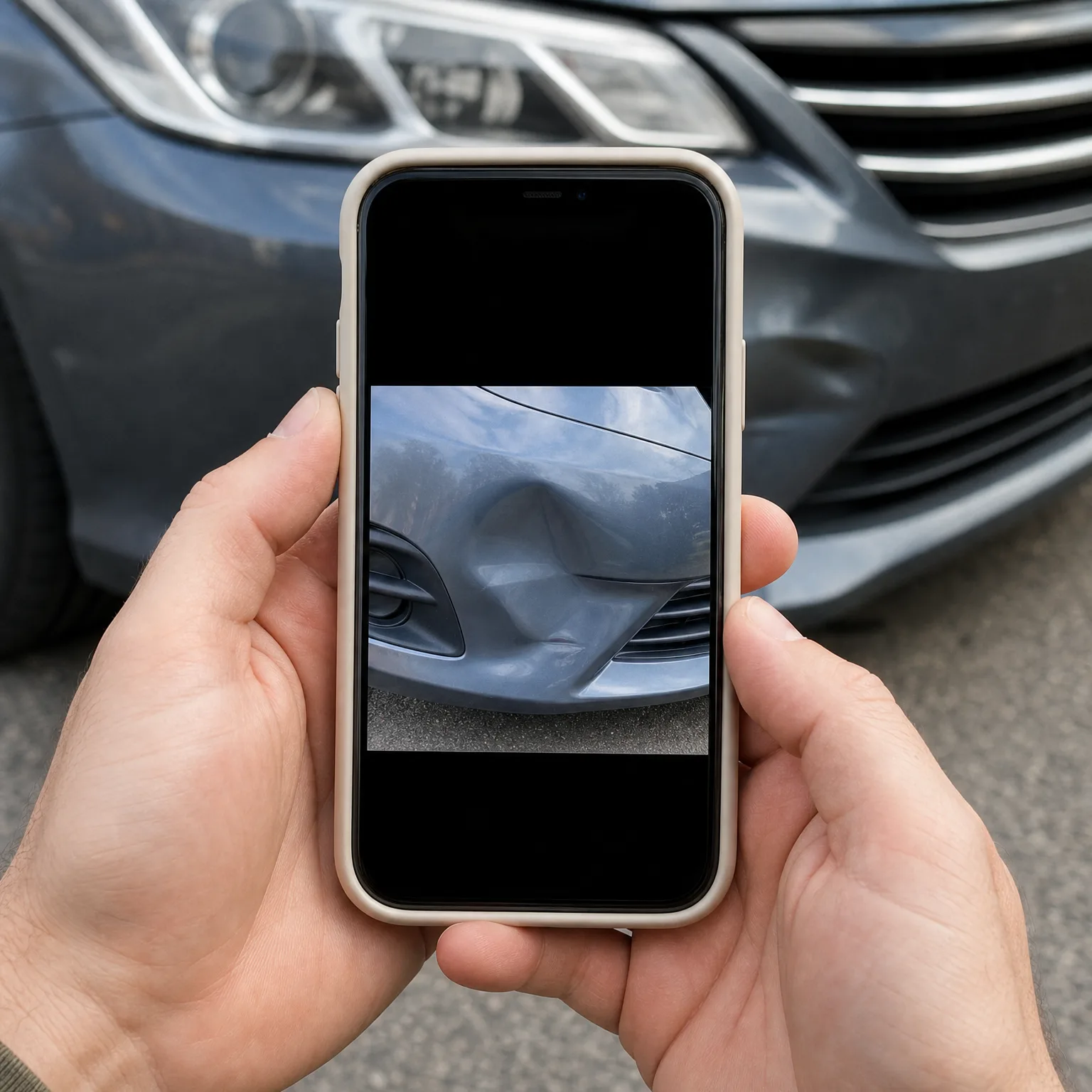
A month in, your grandchild backs into a post in a parking lot, denting the bumper. Because you'd already clarified coverage with your insurer, the claim goes through without confusion about who was authorized to drive. Your policy covers the repair, and because it's a minor claim, the effect on your rate is limited, though not necessarily zero. The lesson for you isn't that nothing happens, it's that having the conversation ahead of time meant there was no argument about whether your grandchild was covered when something small and ordinary went wrong.

Should you add your grandchild to your policy before they drive
If you do
Your grandchild is clearly covered no matter how often they drive, with no gray area if they cause a crash. Your premium will likely rise, since insurers price young drivers higher. But you avoid disputes later about whether the use counted as occasional. It's the safer path if driving will be frequent or ongoing.
If you don't
You're relying on permissive use coverage, which works for occasional, informal borrowing but can be challenged if your grandchild drives more than expected. If a claim happens, the insurer may investigate how often they actually drove before deciding how to handle it. Lower cost upfront, but more uncertainty if something goes wrong.
Once you know how your grandchild will be covered, compare quotes to see what that coverage actually costs.

What to settle before you hand over the keys
- Call your insurer first Tell them exactly how often your grandchild will drive and for how long. This single call determines whether they're covered as-is or need to be added.
- Clarify the living situation Moving in versus visiting changes what your insurer requires. Say the real arrangement, not what sounds simplest.
- Check their parents' policy too If your grandchild has coverage through a parent, ask how it interacts with yours. Some states use it as backup, others don't.
- Ask about rate impact now Find out how adding your grandchild, or a claim involving them, would change your premium. Decide if that's something you're prepared for.
- Get the agreement in writing A quick email summary from your insurer avoids disputes later. Keep it somewhere you can find it if a claim ever comes up.

Does my grandchild need their own car insurance if they only drive my car occasionally?
Not necessarily, if the driving is truly occasional and permitted, your policy's permissive use coverage can apply. But if they drive regularly, most insurers expect them listed on your policy or covered under their own. Check with your insurer about what counts as occasional versus regular, since that threshold drives the answer and varies by company.
Will my insurance rates go up if my grandchild causes an accident?
Likely yes, though how much depends on the size of the claim and your insurer's rules. A minor claim may have limited effect, while a larger one can raise your premium more noticeably. Ask your insurer directly how claims involving occasional or added drivers affect your specific policy, since this varies by company and state.
Can I give my old car to my grandchild without putting it in their name?
You can let them drive it, but keeping it titled and insured in your name means you carry the liability if they're in a crash. Many grandparents eventually retitle the car to the grandchild so the grandchild's own policy and driving record are what's at stake. Talk to your insurer and consider your state's titling rules before deciding.