Is It Cheaper to Insure a Truck or a Car
There's no flat answer, a truck isn't automatically cheaper or pricier than a car, the specific vehicle and driver decide that.
What actually moves the price between a truck and a car
- Size and weight class Bigger trucks can cost more to repair and can cause more damage in a crash, which pushes liability costs up. A compact truck often prices closer to a sedan than to a full-size pickup.
- Who's behind the wheel A young driver adds more to the cost than the vehicle type does. The same grandchild in a truck or a car will usually see a bigger swing from their age and experience than from the vehicle choice.
- How it's used A truck used for hauling, towing, or work errands can carry different risk than one used like a regular commuter car. Tell the insurer the real, everyday use, not just the vehicle type.
- Safety and theft record Some trucks have strong safety ratings and low theft rates, which can lower cost. Others are frequently stolen or have higher injury claims, which raises it. Look up the specific model, not the category.
- Age and value of the vehicle An older, lower-value truck or car usually costs less to insure for the damage-to-the-vehicle part of coverage. A newer, pricier vehicle costs more to repair or replace, whichever body style it is.
A grandfather comparing an old pickup to a used sedan
A grandfather had an older pickup sitting unused and was also considering buying his granddaughter a cheap used sedan instead. He asked his insurer to price both, giving the exact year, make, and model of each, along with how his granddaughter would actually use the vehicle, mostly short trips to her part-time job and back.
The quotes came back close, with the pickup actually running a little lower because it was older, had a low market value, and had a clean safety record for its class. The sedan was newer and more expensive to replace, which pushed its number up slightly. He went with the pickup since it was already paid off and the insurance cost didn't change his decision. The lesson for him wasn't truck versus car, it was that checking the actual vehicles mattered more than assuming one category would win.
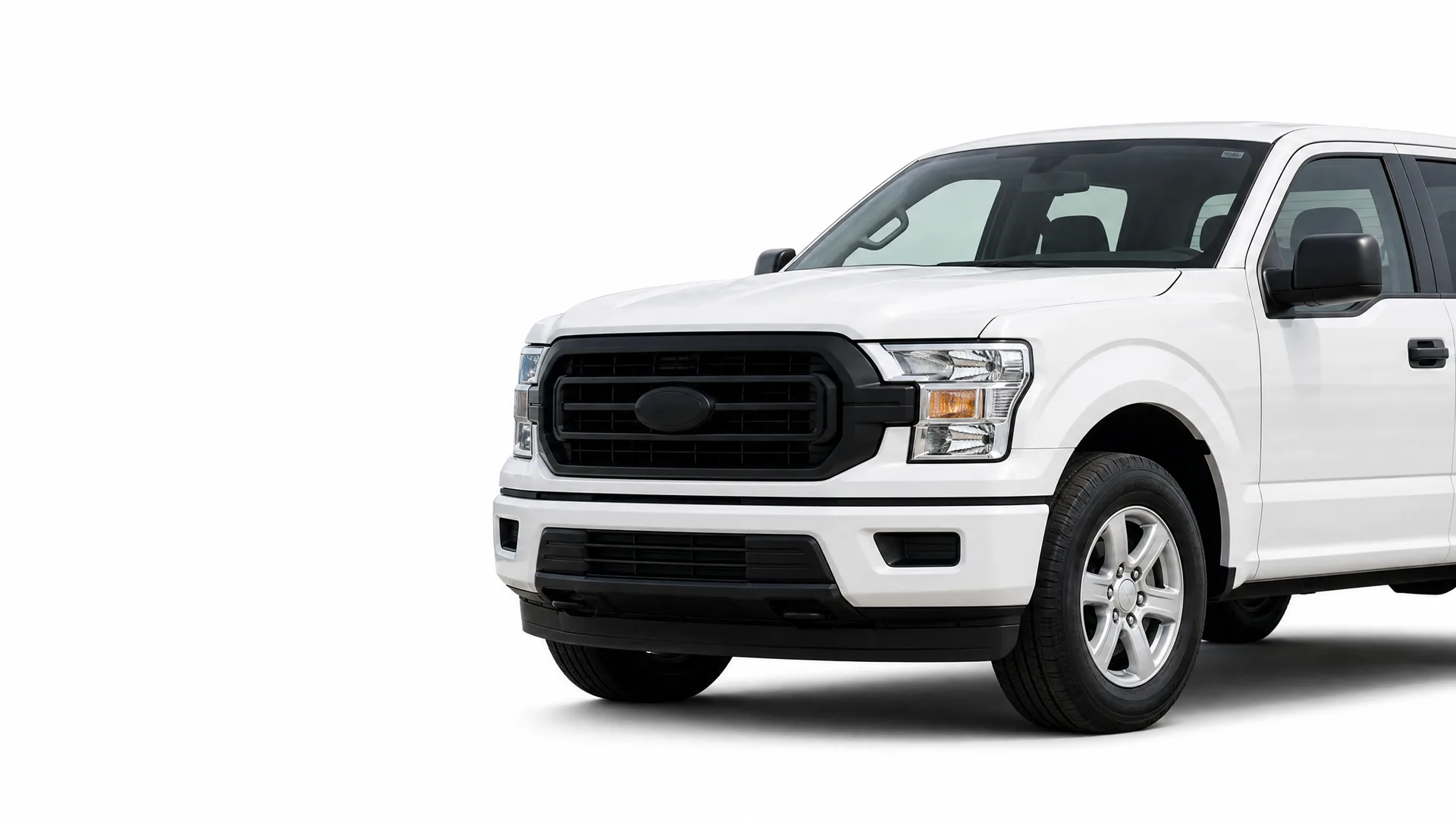
Stop comparing trucks to cars as categories. Compare the specific vehicle, the driver, and how it'll be used.
Once you know what actually drives the cost for your grandchild's vehicle, compare quotes using those specifics.

Do you get quotes on the specific vehicle before deciding
If you do
You get real numbers tied to the actual truck or car, its age, value, and safety record. You can compare apples to apples, see how your grandchild's driving history factors in, and make a choice based on true cost instead of a guess about vehicle type.
If you don't
You guess based on general assumptions about trucks versus cars, which often doesn't match reality. You might rule out a cheaper option or pick a pricier one without knowing it, and you won't find out the real number until the policy is already being written.
Does the driver or the vehicle matter more for the rate?
Usually the driving record and experience matter more than the vehicle choice. A young or new driver raises the cost significantly no matter what they drive, because insurers weigh the person's risk heavily alongside the vehicle's risk. The truck-versus-car decision tends to be a smaller adjustment layered on top of that bigger factor.
That said, the vehicle still matters, especially at the extremes. A high-value truck with towing capability or a sports-oriented car can push costs up regardless of who's driving. A modest, older vehicle with a strong safety record keeps costs lower no matter whose name is on the policy. If you want to know which matters more in your specific case, ask for quotes with your grandchild listed as the driver on a couple of different vehicle options, so you can see the actual gap rather than guessing at it.