How to Lower Car Insurance for an 18 Year Old
The lowest cost usually comes from keeping the 18 year old on an existing policy instead of writing a new one just for them.
Free to compare
Age sets the starting price, the policy you pick moves it
An 18 year old is expensive to insure mainly because insurers have little history on them. They don't know yet how this particular person drives, so the price reflects the risk of the whole age group, not the individual. That part doesn't change no matter whose policy they're on.
What does change is the base you're building on. Adding a young driver to an established policy, usually a parent's, almost always costs less than putting them on their own new policy, because the household policy already carries a track record and other factors that keep the average down. A brand new policy for just one 18 year old has none of that cushioning.
The car matters just as much as the driver. A smaller, older, cheaper to repair car costs noticeably less to insure than something fast, new, or expensive, and this is often the single biggest lever a family can pull. Good grades, a completed driver's course, and simply driving without incidents for a while all chip away at the price too, though how much depends on the insurer.
Where things diverge is who the grandchild lives with and whose car they drive. If they live with a parent, that parent's policy is usually the natural home for them. If they live with you, or the car is titled in your name, your policy may be the one that has to list them. Which arrangement applies, and how much each choice saves, varies by insurer and by state, so this is worth checking directly rather than assuming.

A grandson living with his grandmother while starting his first job
A grandmother had her 18 year old grandson move in with her for the summer before he started a job that required a car. He didn't have his own policy, and his parents lived in another state with their own insurance. Because he was living with her and would be driving regularly, she added him to her policy rather than letting him drive uninsured or assuming her policy covered him automatically as a guest.
She called her insurer, explained the living situation, and asked directly whether an occasional or resident driver listing fit his case better. They settled on adding him as a driver on the older of her two cars, the one he'd actually be using, rather than her newer one. His grades qualified for a discount, which helped offset some of the increase. Her premium went up, but less than she expected, and she had a clear, honest answer ready if a claim ever came up, since he was properly listed from day one.
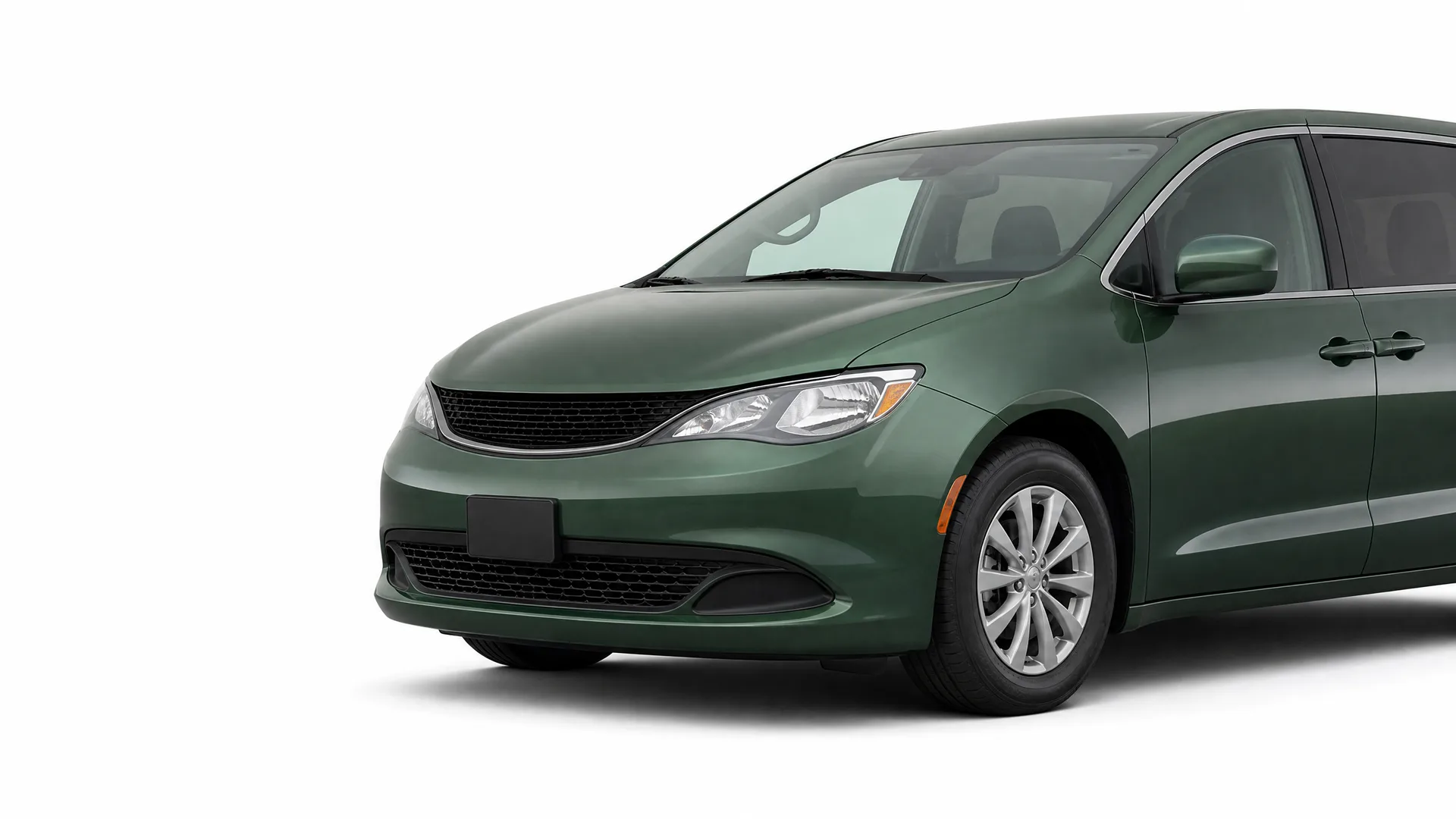
The real cost isn't the driver's age, it's which policy and which car they're added to.
Once you know which policy should cover your grandchild, compare quotes to see what that choice actually costs.
Will adding my grandchild raise my own insurance rate?
Likely yes, some amount, but not automatically by a lot. Insurers price based on the added risk of a new driver, and an 18 year old carries more uncertainty than an established driver, so some increase is normal and expected.
How much depends on the car they're assigned to, their driving record so far, any discounts they qualify for, and your insurer's own rules. Some insurers weigh a young driver's grades or driving course completion heavily, others less so. Ask your insurer directly for the actual number before and after adding your grandchild, rather than guessing, since the range between insurers can be wide.

Can my grandchild stay on their parents' policy instead of mine?
Yes, if they still live with a parent or the parent's policy allows it, that's usually the cheaper and simpler option. It avoids touching your coverage or rate entirely. Check with the parents' insurer whether a grandchild living elsewhere part of the year still qualifies as a resident driver on that policy, since rules on this vary by insurer.
Does my grandchild need their own separate policy?
Not usually, unless they own their car outright and live independently. A separate policy tends to cost more because it has no established household history behind it. Most families only use one when no existing policy can reasonably include the grandchild, so check this threshold with the insurer before assuming it's necessary.
What happens to my policy if my grandchild gets in an accident?
If they're listed on your policy, your coverage responds and your rate may rise afterward. If they're not listed and you lent them the car anyway, you may still carry responsibility depending on your state's rules, so confirm this with your insurer before letting them drive unlisted.