Does Insurance Cover a Friend Borrowing Your Car
In most cases, your insurance follows the car, so a friend driving with your permission is covered under your policy.
Your policy is attached to the car, not just to you
Car insurance is built around the vehicle first. The policy you bought insures that specific car for accidents, and that protection generally extends to anyone you allow behind the wheel, not only the people listed on the policy. This is why a friend borrowing your car for an afternoon is usually treated the same as you driving it yourself.
The word permission matters here. If you hand someone the keys and say go ahead, you've given consent, and that consent is what makes the coverage apply. If someone takes your car without asking, that's a different situation entirely and your insurer may not treat it the same way, since there was no permission to drive in the first place.
What changes the outcome is how often this happens and who the friend is. A one-time loan is treated differently than a friend who borrows your car every week, because insurers start asking whether that person should actually be listed on your policy as a regular driver. Some insurers also look at whether the friend has their own insurance, since that can affect whose policy pays first if there's a claim.
State rules and individual insurer policies vary on the details, like how they define occasional versus regular use, or what happens if the friend lives in your household. Check your policy's language on permissive use, and call your insurer directly if the borrowing will be frequent or long term, so you know exactly where you stand before it happens.
Will my rates go up if my friend crashes my car?
Possibly, and it depends on how the claim is filed. If the accident is filed under your policy, it's treated as your claim for rate purposes, even though your friend was driving. Your insurer looks at the incident as part of your car's history, not your friend's driving record.
Some insurers offer accident forgiveness or have thresholds for minor claims that don't affect pricing, so check whether your policy includes anything like that. If your friend has their own insurance, their policy may pay first or share the cost, depending on state rules and the specifics of the crash, which can reduce the impact on your rates. Ask your insurer directly how a claim involving a permitted driver would be handled before you lend your car out regularly, so you're not surprised later.

Now that you know how borrowed-car coverage works, compare quotes to see what permissive use actually costs.

Deciding whether to lend your car to a friend
If you do
You hand over the keys, they drive, and if something happens your policy likely responds first since it's your car. You stay responsible for the deductible and any rate impact. Tell your friend what your coverage includes so they know what to expect if anything goes wrong on the road.
If you don't
You avoid any chance of your policy being used for someone else's accident. Your friend has to find another way to get where they're going, and they drive their own car if they have one. Nothing about your coverage or your driving record is touched by someone else's decisions.
When a borrowed car and a parking lot dent met at the same time
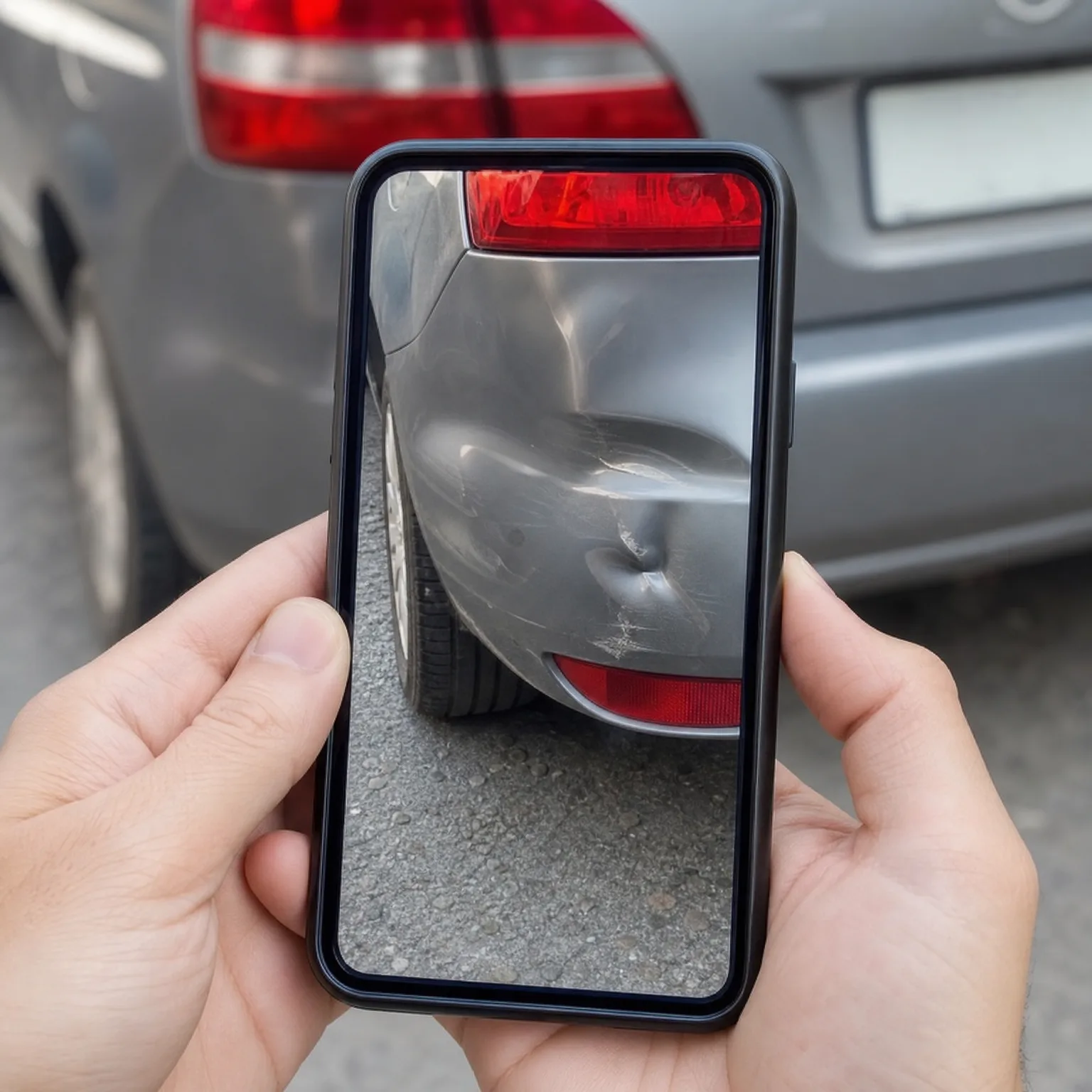
Someone lends their car to a friend for a weekend trip while their own car is in the shop. The friend is parking at a grocery store and backs into a shopping cart corral, denting the rear bumper. No other car is involved, and the friend calls the owner right away instead of trying to handle it quietly.
The owner checks their policy and confirms the friend was driving with permission, which means the damage is covered the same way it would be if the owner had caused it. They file the claim under their own policy, pay the deductible, and the insurer repairs the bumper. The friend offers to cover the deductible since it was their mistake, and the owner accepts, since that's a conversation between them, not something the insurer gets involved in. The claim goes on the owner's record, not the friend's, since it was filed under the owner's policy.
Does it matter if my friend has their own car insurance?
Yes, it can affect who pays first. If your friend has their own policy, some insurers treat their coverage as secondary, stepping in only after your policy's limits are used up, while others coordinate differently depending on state rules. Check your policy and ask your insurer how they handle a claim when the driver has separate insurance, since this affects your out of pocket cost and whether your rates are the ones impacted.
What if my friend doesn't have a license or has a bad driving record?
This can change whether coverage applies at all. Letting an unlicensed person drive your car is different from letting a licensed friend borrow it, and some insurers may deny a claim if the driver wasn't legally allowed to drive. If your friend has a history of accidents or violations, ask your insurer directly before lending your car, since this is exactly the kind of detail that can affect whether a claim gets paid.
Should I add my friend to my policy if they borrow my car often?
Yes, if it's becoming regular rather than occasional. Insurers distinguish between someone borrowing your car once in a while and someone who drives it often enough that they're functionally a household driver. Ask your insurer where that line is drawn, since letting a frequent driver go unlisted can create problems with a claim later, even if everything seemed fine on a one-time loan.