Do I Notify My Insurer About a Visiting Grandchild Driver
Yes, call your insurer before a grandchild starts driving your car with any regularity.
Your policy covers the car, and insurers want to know who drives it
Car insurance follows the vehicle first. That means your policy is built around an assumption of who's behind the wheel, and when that assumption changes, the insurer wants to know. A grandchild who borrows the car once in a while is usually fine without any call. A grandchild who's driving regularly, living with you for the summer, or using the car to get to school or work is a different situation, and insurers treat it differently.
The reason isn't suspicion. It's risk. A young driver statistically carries more risk than you do, and insurers price policies around who's actually driving, not just who owns the car. If your grandchild is added as a regular driver and something happens, the claim gets paid without a fight. If they're not on the policy and an insurer later learns they'd been driving all summer, that's when coverage can get questioned, sometimes right when you need it most.
What counts as 'regular' isn't fixed. Some insurers care about how many days a year, some care about whether the person lives in your household at all, and some just want notice whenever a non-household driver uses the car often. This varies by company and sometimes by state, so the honest answer is to check your policy's language or call and ask directly. A short phone call costs you nothing and removes the guesswork.
There are cases where notifying changes nothing. If your grandchild has their own insurance through their parents and only drives your car on rare visits, you likely don't need to do anything. But if the visits turn into a pattern, or if the car is becoming theirs in practice, that's the point where a call stops being optional and starts being the thing that protects you.

What to check before you decide anything
- How often they'll drive Occasional visits usually don't require action, but a summer of daily driving does. Count the pattern, not just the one trip.
- Where they actually live If your grandchild is staying with you for an extended period, insurers may count that as living in your household. Ask your insurer how they define it.
- Their own coverage, if any A grandchild covered under a parent's policy may already be covered driving your car. Ask the parents what their policy says before assuming anything.
- If the car is now theirs If you're handing the car down for good, that's a different conversation than lending it. Tell your insurer the car has a new primary driver.
- What triggers a policy change Some insurers want every regular driver listed, others only care about household members. Call and ask what triggers a change to your policy.
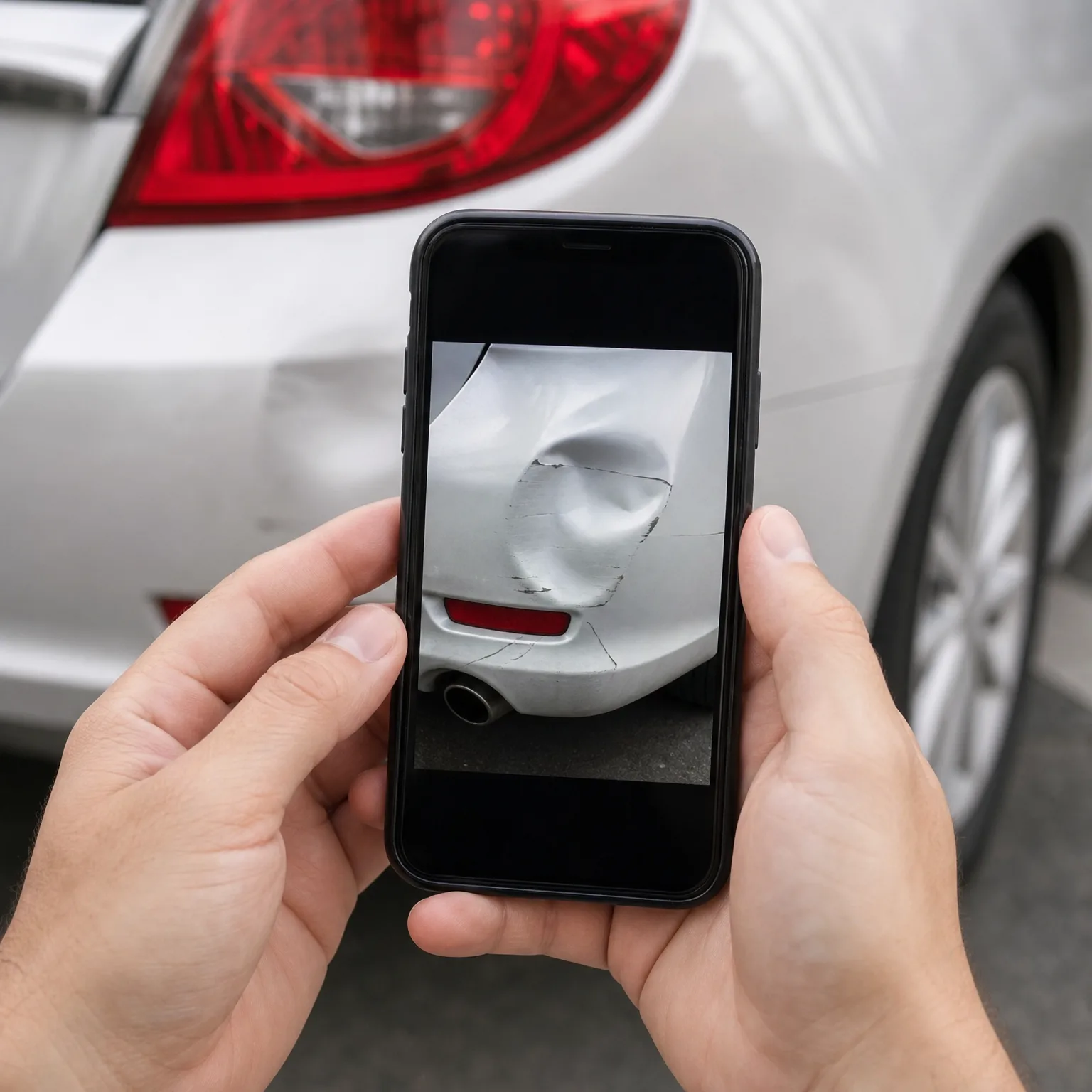
The real risk isn't the call itself. It's a crash happening before you've made it.
Now that you know how your grandchild's driving affects your policy, compare quotes to see the real cost.

Do you tell your insurer about the visiting grandchild
If you do
You call, explain the situation, and the insurer tells you whether anything changes. Maybe nothing does. Maybe they add your grandchild for the summer. Either way, if an accident happens, your coverage holds, and there's no argument later about who was supposed to be driving.
If you don't
If your grandchild drives occasionally, nothing happens. But if they're driving often and you never said anything, a claim can get delayed or denied while the insurer sorts out whether the policy applies. You find this out after the crash, not before, when it's too late to fix.
Will my insurance rates go up if I add my grandchild to my policy?
Possibly, but not always, and not necessarily by much if they're only on the policy for a summer or a short stretch. Rates depend on the insurer, your grandchild's driving record, their age, and how long they're listed as a driver on your car. A new teen driver typically raises costs more than someone in their early twenties with a clean record.
The better way to think about it is cost versus risk. A modest increase in premium is usually far smaller than what you'd pay out of pocket if a claim gets denied or a lawsuit lands on you personally because the driver wasn't properly disclosed. Ask your insurer for the actual number before deciding anything. Some companies also offer ways to limit the cost, like covering the grandchild only part of the year. You won't know your real options until you ask directly, and that call is worth making before anyone turns the key.