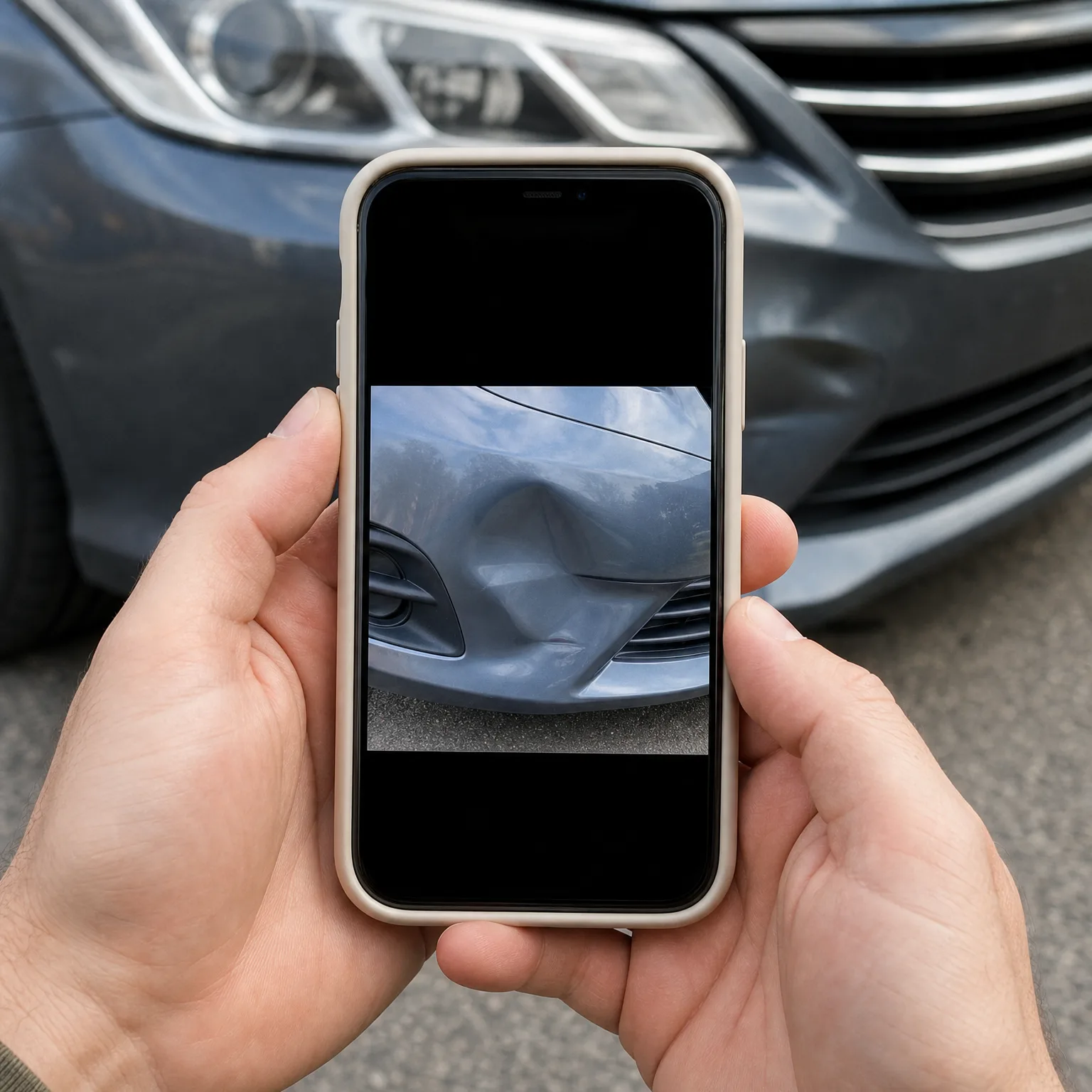
Can You Give Someone Else Permission to Drive Your Car
Yes, you can give your grandchild permission to drive your car, and your own policy is what covers them when they do.
Free to compare
What actually determines whether your grandchild is covered
- Permission is usually enough Most policies cover anyone you let drive, not just people listed on it. Just make sure your grandchild isn't driving against your wishes or without you knowing.
- Regular use changes things A one-time summer drive is different from using your car every week. If they're driving often, tell your insurer so coverage isn't questioned later.
- Where they live matters If your grandchild lives with you, insurers usually expect them listed on your policy. Check your state's rules and your insurer's definition of a household member.
- Your policy pays first If your grandchild causes an accident while driving your car, your coverage responds before anyone else's. Confirm your liability limits match the risk you're willing to carry.
- Your rate may reflect them Adding a young driver, or even just permitting one regularly, can raise your premium. Ask your insurer directly what listing or not listing your grandchild would cost.
Does my grandchild need their own insurance too?
Not necessarily. If your grandchild only drives your car occasionally, your policy is typically what covers them, and they don't need a separate policy of their own.
That changes if your grandchild has their own car, or if they're driving your car so often that insurers would consider them a regular operator. In those cases, most insurers expect them to be listed somewhere, either on your policy or their own. If they're in school in another state or living elsewhere for stretches of the year, that can also affect which policy applies. The clearest path is to tell your insurer the actual arrangement, how often they drive, where they live, and whether they have other coverage, and let them tell you what's required. Guessing wrong here is what leads to denied claims later, not the driving itself.

Telling your insurer your grandchild drives your car
If you do
Your insurer confirms coverage applies, adjusts your premium if needed, and documents the arrangement. If there's ever an accident, there's no dispute about whether your grandchild was an authorized driver. You know your real cost upfront instead of guessing.
If you don't
Coverage may still apply for occasional use, but if your grandchild drives regularly and something happens, the insurer can investigate and potentially deny or delay the claim. You're left defending the arrangement after an accident instead of before one.
Now that you know how your policy treats your grandchild, compare quotes to see what that coverage costs.
A grandchild driving the car for a summer job
Say your grandson comes to stay with you for the summer and needs a car to get to work. He doesn't live with you the rest of the year, and he has no car or policy of his own. You decide to let him use your older sedan for the summer rather than add him permanently.
You call your insurer before he starts driving and explain the arrangement, how long he'll be there and how often he'll use the car. The insurer tells you it counts as occasional use and doesn't require adding him as a listed driver, but they note it in your file and give you a slightly adjusted quote for the summer months. When summer ends and he goes back to school, you call again to confirm the arrangement has ended. Nothing goes wrong that summer, but having called means that if it had, there would be no question about whether he was covered.
Why permission alone usually covers the driver
Car insurance in most states follows the vehicle, not just the person named on the policy. That means your policy is built to extend to people you give permission to drive, as long as the use is reasonable and not something you explicitly forbade. This is why a neighbor borrowing your car for an afternoon is typically covered without any paperwork at all.
What changes the picture is frequency and residence. Insurers price policies based on who regularly drives the car and who lives in the household, because those are the people most likely to be behind the wheel when something happens. A grandchild who visits twice a year is a different risk than one who lives with you and drives daily. Insurers want to know about the second kind, not because they're trying to catch you, but because the premium you're paying needs to reflect who's actually driving.
This is also where state rules start to matter more than people expect. Some states have specific definitions of who counts as a household member or a regular driver, and that definition affects whether your grandchild needs to be listed. Other states lean more on the permissive use principle and ask fewer questions about frequency. Your insurer can tell you exactly where your state lands and what your specific policy requires, and that answer can differ even between two insurers in the same state.
The exception that trips people up is when a grandchild has their own policy already, maybe through their parents. In that case, there can be a question of which policy pays first if there's an accident. Usually the car's policy, meaning yours, pays primary, and theirs would only apply if damages exceed what your policy covers. Knowing this ahead of time, rather than during a claim, is the difference between a smooth process and a stressful one.

The real risk isn't the driving itself, it's your insurer finding out about it after something's gone wrong.