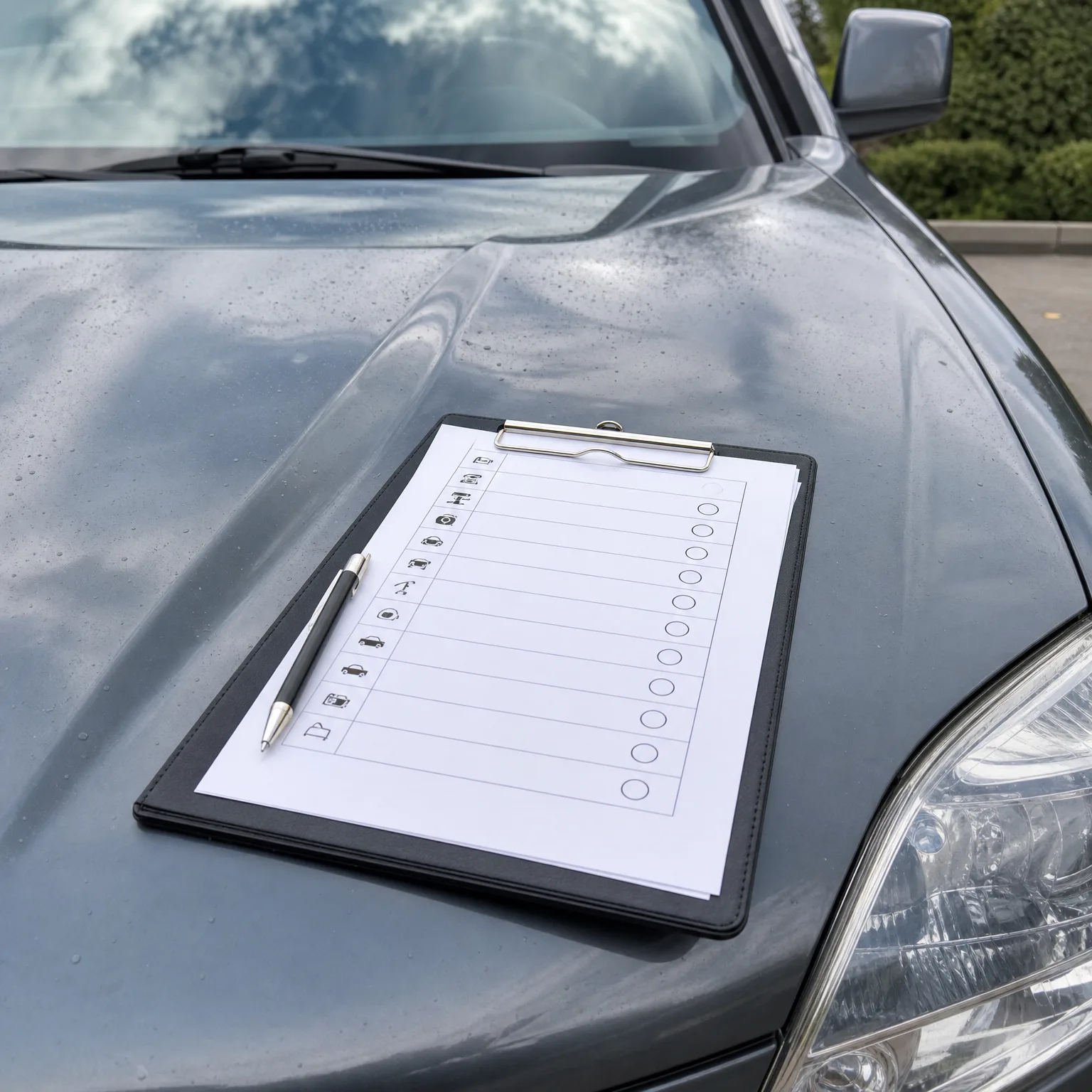
Can I Buy a Car for My Son and Put It in His Name
Yes, you can buy the car and put the title in his name, but it changes who insures it and whose record carries the risk.
Free to compare
The title determines whose policy has to cover the car
Insurance follows ownership, not who paid for the car. Once the title and registration are in your grandson's name, the car is legally his, and in nearly every state it needs to be insured under a policy where he's the named insured or at least a listed driver on a policy that covers that vehicle. Your generosity in paying for the car doesn't change that requirement.
This matters because a car titled to him but uninsured, or insured incorrectly, can leave everyone exposed. If he's young and has no insurance history, he may need to be added to his parents' policy if he lives with them, or get his own policy if he's on his own. Some insurers also want to know who the registered owner is even if someone else is paying the premium.
Where this gets complicated is residency and household status. If he lives with you part of the year, some insurers may ask whether the car should be on your policy instead, since it's garaged at your address. Rules about this vary by insurer and by state, so it's worth asking directly how they classify a car titled to someone who doesn't live with the policyholder full time.
The upside of titling the car in his name is that his driving record, not yours, is what insurers track for that car going forward. Accidents or tickets attach to his name and his policy. The tradeoff is that young drivers without a track record often pay more, and he may need a cosigner or your financial help to get a policy started.
Does buying the car protect me if he gets in an accident?
Titling the car in his name does help separate his driving record from yours, since insurers generally track claims against the registered owner and named insured, not whoever paid for the vehicle. If something goes wrong, it's far more likely to affect his insurance history and rates than yours.
It isn't total protection, though. If you're a cosigner on his auto loan or listed on his insurance policy in any role, you could still be pulled into a claim or a lawsuit depending on the state and the severity of the accident. Ask the insurer directly what your exposure is given your specific involvement, whether that's cosigning, gifting the down payment, or anything else.

Titling the car in his name versus keeping it in yours
If you do
The car is legally his. He needs his own insurance or must be added to a policy that covers that vehicle. His driving record follows the car from now on, not yours. He gains independence and responsibility, but may face higher premiums as a new, young driver without history.
If you don't
You stay the legal owner and the car stays tied to your insurance and your record. Any accident, ticket, or claim involving that car affects your policy and rates, even if he's always the one driving it. You keep more control, but you also keep more risk.
Now that you know how the title changes whose insurance and record are on the line, compare quotes for the right policy.

What to sort out before you title the car in his name
- Decide who insures it Figure out whether he needs his own policy or should be added to his parents' policy based on where he actually lives most of the year.
- Check residency rules Insurers may ask where the car is garaged most nights, which can affect which household's policy is expected to cover it.
- Ask about new driver rates A young driver with no history usually costs more to insure, so get a quote before finalizing the purchase, not after.
- Clarify the loan, if any If you're financing the car and cosigning, understand that this can tie your credit and finances to the car even if the title is his.
- Confirm coverage first Don't let him drive the car off the lot without active insurance in place, since an uninsured car titled to him is a legal and financial risk.
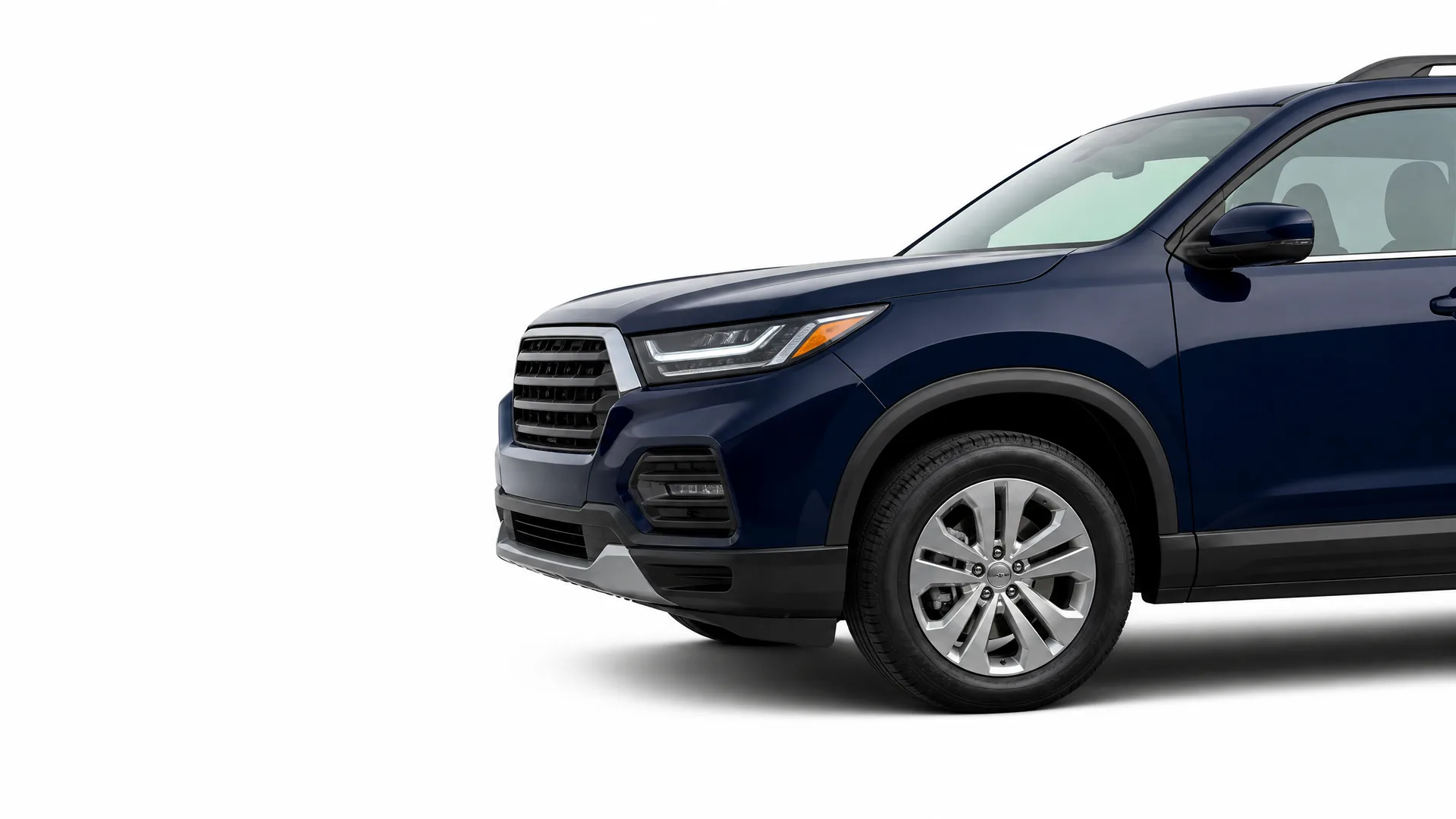
The title decides whose insurance and driving record carry the risk, not who paid for the car.
Can I add my grandson to my insurance instead of buying him a car in his name?
Yes, if he lives with you or drives your car regularly, most insurers let you add him as a listed driver on your existing policy. This often costs less than a separate policy for a new driver, though it does link his driving record to your policy while he's listed. If he doesn't live with you, check whether the insurer still allows this, since some require shared residency. This is a reasonable alternative if you want to keep things simpler than a separate title and policy.
Will buying my grandson a car affect my own insurance rates?
Not directly, as long as the car is titled in his name and insured under his own policy or his parents' policy. Your rates are based on your own vehicles, drivers, and claims history. The only way it affects you is if you're listed on his policy, cosign his loan, or keep the car titled under your name. Ask the insurer directly how they'd treat your specific financial involvement before assuming you're fully separated from the risk.
What happens if my grandson can't afford insurance on his own?
He'll likely need to be added to a parent's or guardian's policy, or you may need to help cover the premium directly. Insurers require active coverage before the car can legally be driven, so this needs to be sorted before he takes possession of the car. Some families split the cost or have the grandparent pay the premium while the policy stays in the grandchild's or parents' name. Ask the insurer what documentation they need to confirm who's responsible for payment.